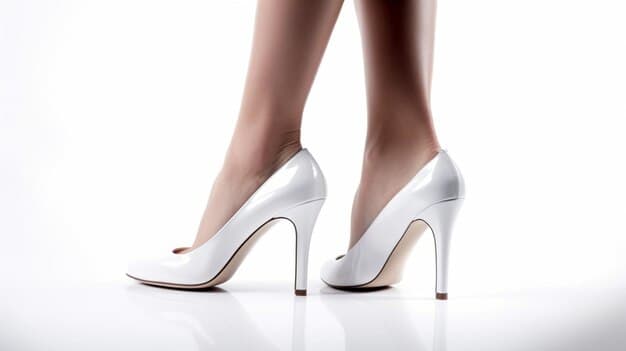
One of the most exciting parts of growing up as a young girl is all the physical changes your body goes through. Some of them, like breast development or periods are caused simply by age, but most of them are caused by The things young girls do, most of which are induced by societal expectations. As girls enter adolescence, they are expected to start wearing high heels, and as they continue to grow older the expectations around their high heel use only increase.
This expectation for high heel wear is good for a multitude of reasons, not least of which is the physical changes it induces in girls. We’ve discussed these changes at length in prior articles, but today we’re going to talk specifically about how to get the most out of your high heels. As we know girls typically start wearing high heels around age 12, with the expected height and formality increasing with age. By age sixteen, girls are expected to wear four inch heels for most activities, and often their expected to wear heels with a pointed toe box.
The three most important factors that help girls get the most out of their high heels are the heel height, how pointed the toe box is, and how often / long they wear heels. These three factors are mostly taken care of by society, and girls who follow these expectations will develop significantly cuter, more girly, more attractive feet and toes as a result; but for girls who want to maximize these improvements, there are additional steps they can take to really get the most out of their heels.
Shoe Choice
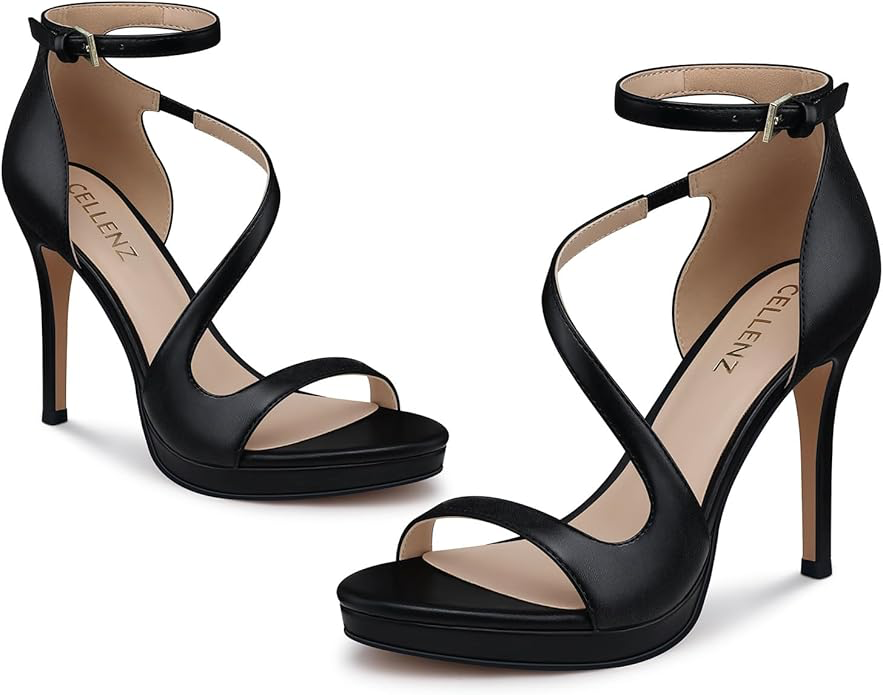
As stated earlier, heel hight is critically important when it comes to maximizing improvement for a girls feet, but this relationship is non-linear. Generally girls between the ages of ten and thirteen are expected to wear heels at least two inches high, but the jump from two to three inch heels represents a disproportionate increase in the improvements a girl experiences. This means that girls who elect two skip the two inch heels and start directly in three inch heels from age ten will allow their feet to develop much faster. Similarly, stiletto heels aren’t expected at all until thirteen and aren’t expected regularly until 16, but girls who start off in stiletto heels even if they don’t wear them consistently will experience significantly more rapid improvements. Both height and width of heel directly contribute to increasing the pressure on the balls of the feet.
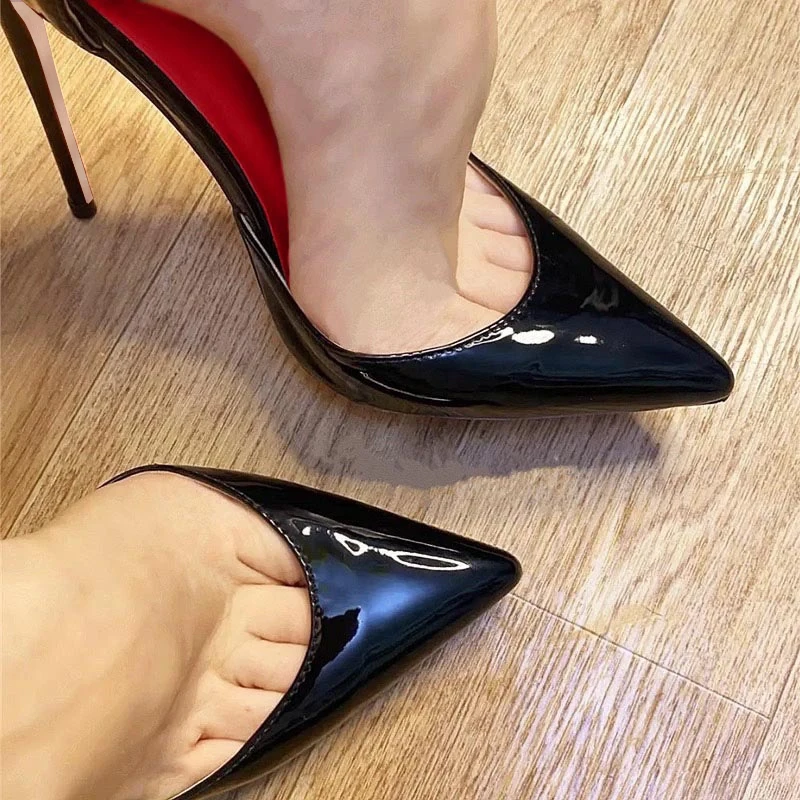
Generally pointed toe boxes aren’t expected regularly until age sixteen, and even then- beyond expecting toes to be pointed there arent really significant expectations around the specifics of toe box shape. That being said, toe box shape is critically important for developing bunions and hammertoes. Pointed toe boxes are always preferred, but the specific shape also plays a role. Generally speaking girls should aim for toe boxes that angle the inner edge of the toe-box towards the center of the foot as much as possible. The angle of the inside edge of the toes determines bunion development. Additionally, shallower rigid toe boxes that press the tops of the toe joints down further aid in the development of claw toes and hammertoes, which is what gives the smaller toes that cute girly curl downwards- towards the ground. The point and pressure pushes the joints together, and the downward pressure causes them to claw. Lastly, girls should aim for the thinnest soles with the least cushioning under the balls of their feet because this translates the increased forefoot pressure to increased impact with every step, and that aids in metatarsalgia development.
Moving now to the other side of a heel, the heel counter (the portion of the shoe contacting the back of the foot, and the ankle): Girls should look for shoes with a flat, rigid heal counter. Pump bump is caused by increased pressure on the heel of the foot, and the most efficient way to create that pressure increase is through a rigid heel counter with minimal depth. This heel counter also must be closed, open / strap back heels will simply not develop this change.
Behavioral Choices

The single most important behavioral factor for girls who want to increase and accelerate their physical improvements is the age at which they start wearing high heels regularly. While girls aren’t typically expected to wear heels regularly until around the age of ten, the younger a girl start wearing high heels the faster and more effectively her feet are able to transform.
The critical age is fourteen. After that the growth plates in a girls feet are fully formed, and her foot structure will improve far more slowly, and to a lesser degree. As the expectation for regular heel wear starts around age ten, girls usually get a few years of development before their growth plates finish developing, but the earlier a girl starts the more she can improve before her growth plates close, and the more she maximizes factors contributing to improvement prior to growth plate closure, the more significant that age difference becomes.
After a girls age, the most important behavioral choice she can make is the duration of wear. this is doubly important for younger girls, but no matter a girls age, the longer she wears heels for the better. Expectations play a role in this because after age ten girls are expected to start wearing high heels to school,
which means their minimum wear duration is approximately thirty to forty hours per week, but the effects of high heels are primarily caused by cumulative wear, and these effects are damaged by prolonged periods without wear, so the more a girl can wear her heels the better. Importantly though, consistency is more impactful than marathon wear. A girl who wears her heels for six hours a day every single day will experience more improvement than a girl who wears her heels for twenty-four straight hours once every four days. Increased durations is important, but consistency is king.
This consistency also extends to heel height. Girls should aim to wear a single heel height every day for extended periods rather than varying their heel height. Obviously higher heels are better, but a consistently lower heel is preferable to significant height variation.
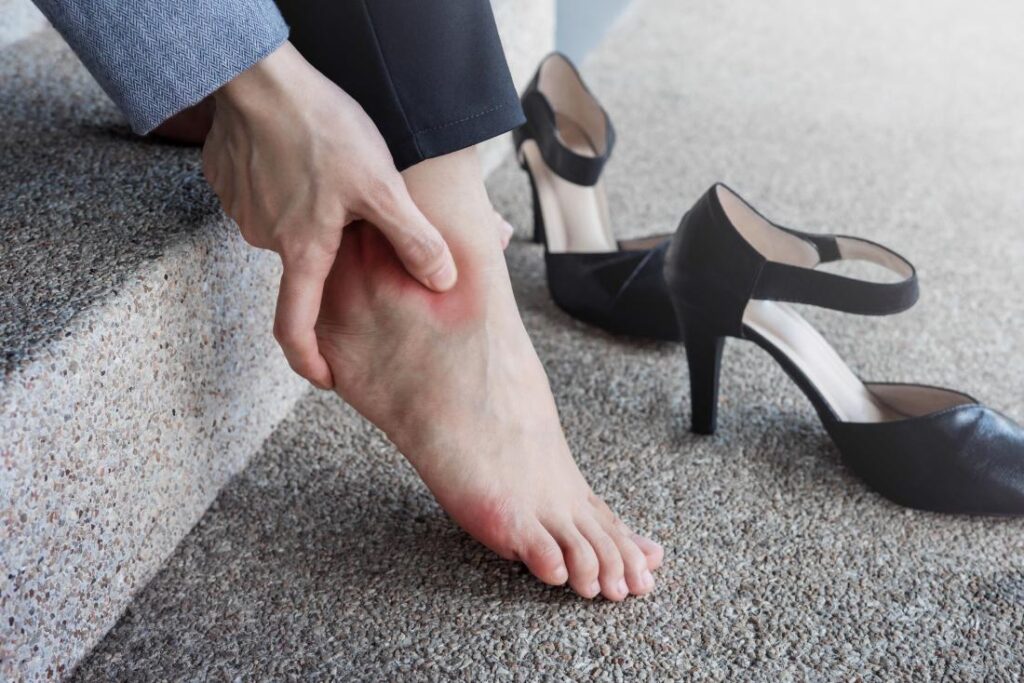
Another important behavior is simply pushing through pain and discomfort. These sensations are strong indicators that a girls feel are changing shape and becoming cuter and more feminine, but girls who take their heels off when they become uncomfortable are interrupting these changes. It’s important that girls learn to push through the pain and discomfort in their feel or else they will significantly slow down the improvements to their feet’s shape and structure. Fortunately here too the expectations placed on girls help them learn to push through. There are very few situations in which it’s acceptable for girls to take off their shoes, and as such girls learn quickly to push through the pain and discomfort of high heels, which allows these improvements to take place far more effectively.

The final behavior that helps to accelerate improvements in girls feet from high heels is activity. Wearing heels while sitting down is one thing, but girls should strive to spend a minimum of two hours on their feet every day in high heels. For girls who really want to accelerate their improvements, running, stairs, or dancing (especially repeated turns on the toes) will accelerate these changes even further.
Standing and walking in high heels will help a girls body learn the mechanics of high heel wear, meaning her ankles, knees, hips, and back will all adapt faster. Plus, each time she takes a step, that impact increases stress in the balls of her feet aiding changes there, and presses her toes into the toe-box of the shoes accelerating changes in her toes.
Age plays the most critical role in benefits for girls, with girls who start younger not only developing benefits faster than those who start later, but also allowing them to achieve benefits that are simply out of reach for girls who start older. Young or old however, girls who want to get the most out of their high heels should strive to wear heels consistently, for as long as possible each day- and they should try to spend as much time walking, dancing, running, and otherwise on their feet in their high heels as they possibly can. In combination this will allow a girl to develop the most changes, as fast as possible, and to the most significant degree.